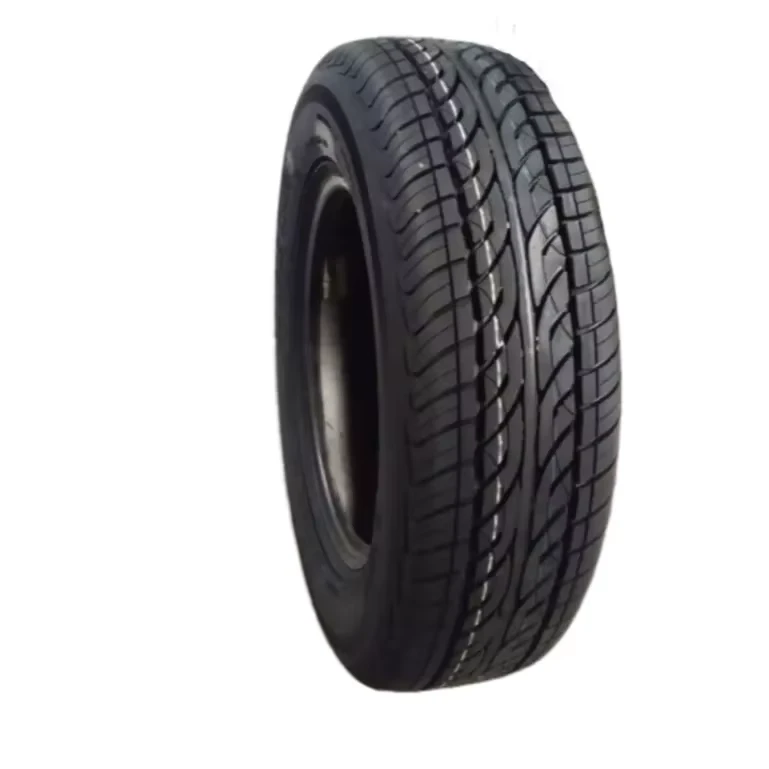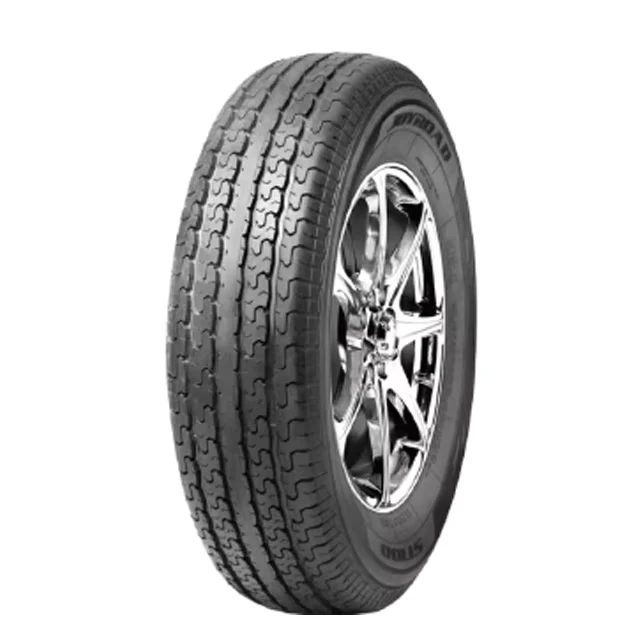

Compare commercial, all-season, and off-road tires by fitment, road use, certification needs, and wholesale purchasing priorities.
Successful tire sourcing starts with a clear application, not simply a familiar brand or an attractive price. Importers should compare vehicle type, rim diameter, road conditions, seasonal demand, and local documentation requirements before confirming an order. This approach reduces fitment problems and helps distributors select products suited to their actual sales channels.
Commercial and Everyday Replacement Options
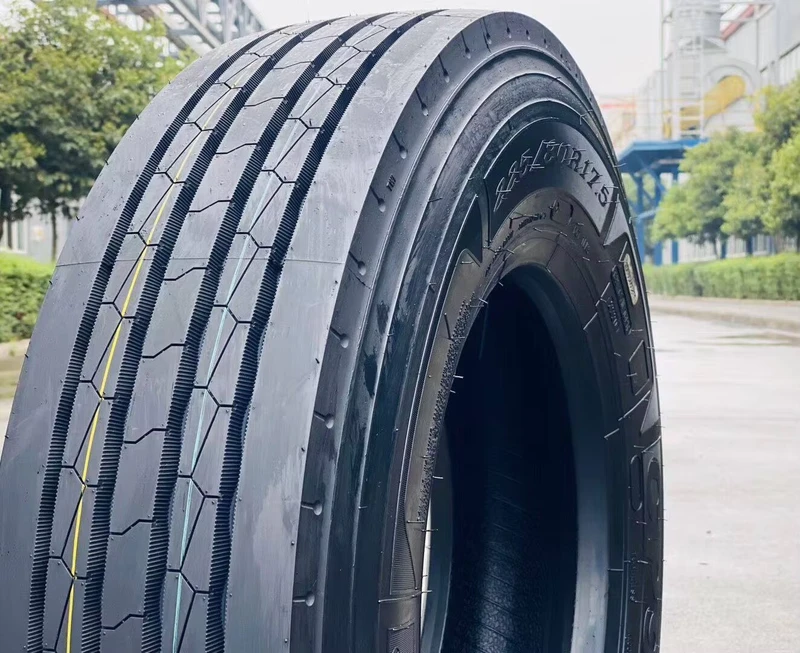
For light commercial and transportation applications, the 195R14C SL366 tire offers a new radial, tube-type replacement option. Buyers can review its load requirements, intended road use, and available DOT, ECE, GCC, and other documentation before ordering. These checks are especially important when supplying repair networks or mixed commercial fleets.
The Haida radial range addresses a different segment with tubeless, all-season choices such as 225/45R17 and 235/80R16. Available rim sizes extend across 16, 17, and 18 inches, providing wholesalers with options for passenger vehicles and selected trailer or commercial replacement needs. The listed T speed symbol and certification references should be matched to destination-market rules.
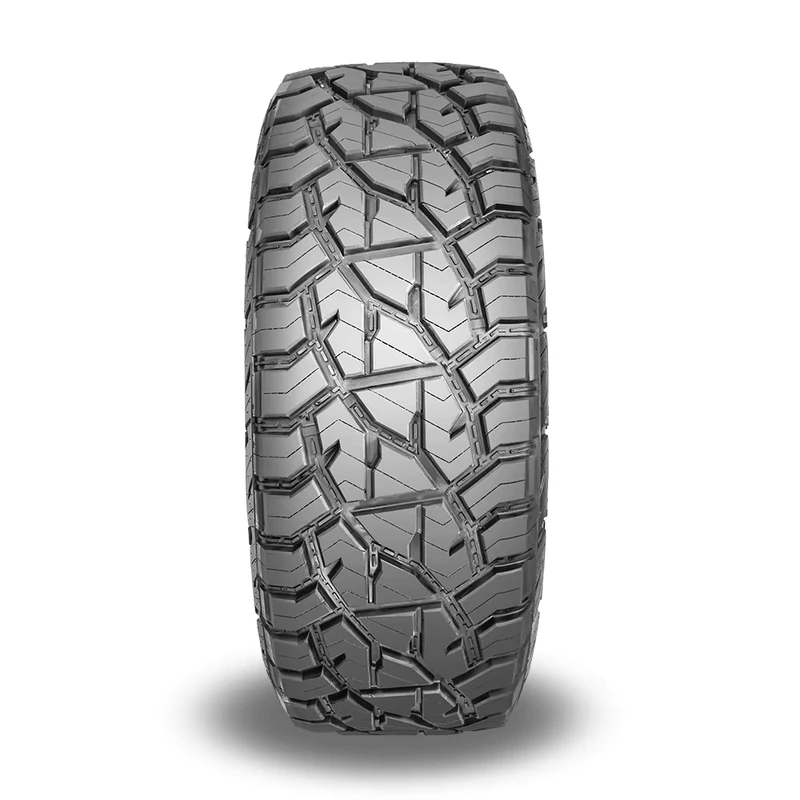
Off-Road Demand Requires Different Priorities
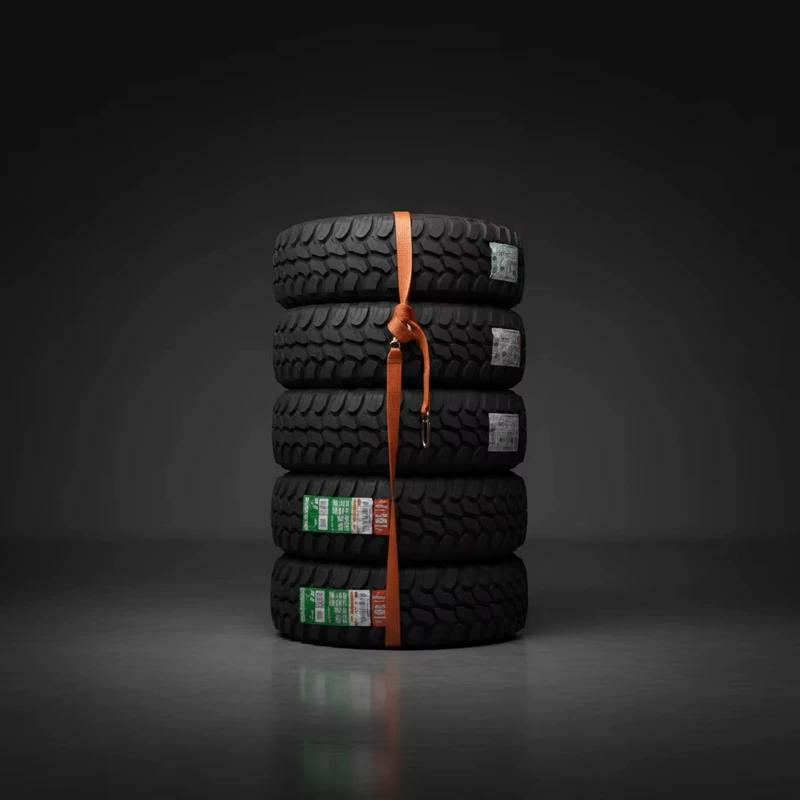
Where customers prioritize 4×4 use, traction, and a wider footprint, the Greentrac Rough Master provides an all-terrain alternative. Its listed width coverage of 195–275 mm and 15–20-inch diameter range can support broader off-road fitment planning. Procurement teams should confirm the precise construction, pattern, load specification, and container quantity for each target vehicle.
Rather than treating every tire as interchangeable, compare specifications against your market’s vehicles, climate, regulations, and price positioning. Explore the broader passenger tire catalog, then send your required sizes, quantities, destination, and certification needs for a focused wholesale quotation.